Europe Part II: Bulgaria, Romania and Hungary
Eastern Europe. I write these words and you think…? Burley men drinking copious amounts of beer? Little old ladies hunched over in babushkas? Communism ? Freezing cold temperatures? People eating goulash in Adidas track suits? Well, you’re not wrong, but there’s more to the story than those the old tropes.
We decided to visit Eastern Europe for a few reasons. Chiefly among them was cost of living and value for our dollars, of course. That’s been a driving factor this entire trip and, for the most part, it’s working out well. We also wanted to see the countryside and do some outdoors activities instead of solely being cooped up in city after city. Lastly, Eastern Europe isn’t the top of most people’s bucket lists (name one country Bulgaria borders without looking at the map below!) but it offers so much and we wanted to take advantage of going somewhere slightly off the beaten path. Here’s a map of what’s considered Eastern Europe, although there is debate about which countries exactly fit the definition.

In total, we’re going to Bulgaria, Romania, Hungary, Poland, and the Czech Republic. Originally, I agreed to do this trip if we could visit Turkey and Croatia and thought we could plug them into an Eastern Europe itinerary. Those were my top picks in the world and the only places I insisted upon going. We’re seeing neither of those two countries. Why? Turkey is in a difficult spot right now with Erdogan, their President. There’s potential for civil unrest in Istanbul, even if it hasn’t happened in a few months. Croatia just didn’t fit neatly into the route, as you can see below.
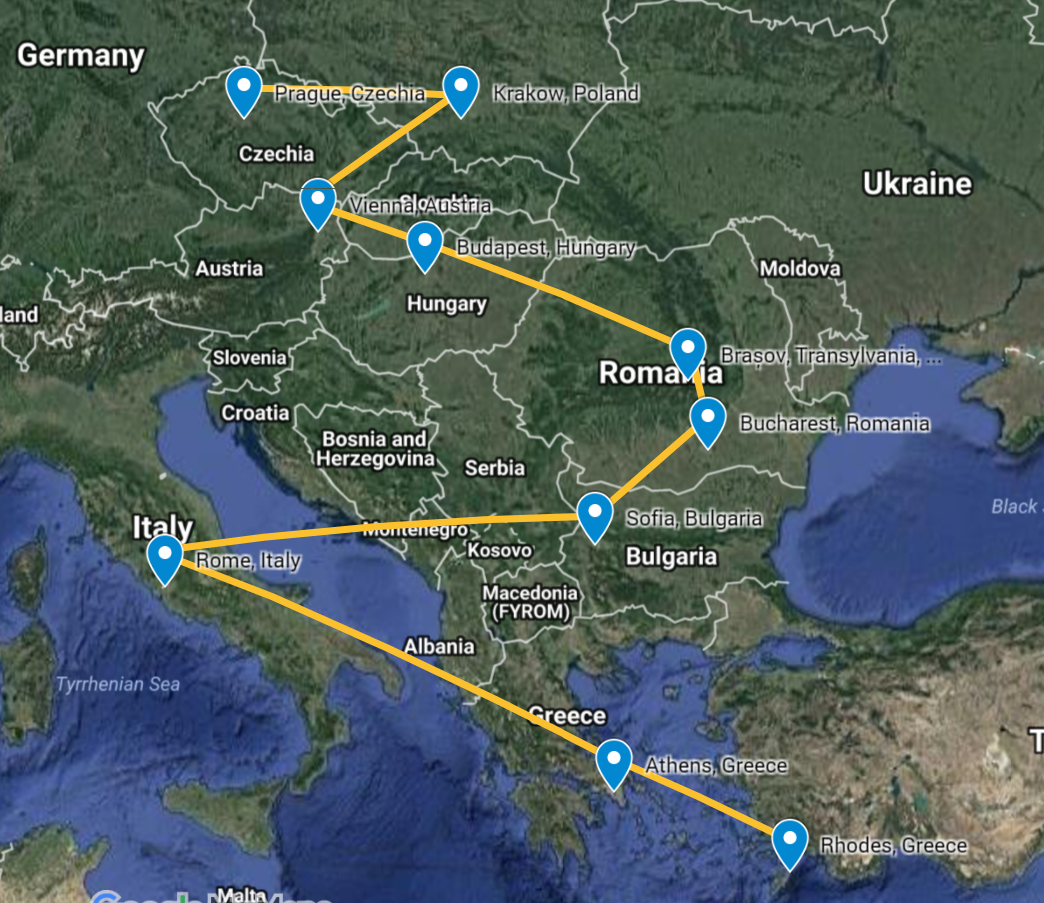
Still, we’re covering a solid amount of ground and now doing it mostly via trains and buses. This is perfect, because the less we fly the better. Flying is a necessary evil. A casual traveler is going to have a different experience, but for us it’s now a chore. If you care to read a long rant about my flight experiences I can share that at another time.
After finishing our Romantic Roman experience, we landed in Sofia, Bulgaria. It’s pronounced Soh-fee-ah, not like the girl’s name So-fia. When we told our AirBnB host where we were coming from she actually apologized to us on behalf of Bulgaria. I laughed and tried to find something comforting to say, but I think I messed up when I said, “Oh no, we were in India not long before this, so honestly Bulgaria is going to be great!” First off, that’s insulting to India and second off, that’s insulting to Bulgaria. Somehow I insulted two nations at once by trying to say I am happy to be here. Great start!
Jason and I had wondered to ourselves if there are any nations that don’t have “proud people”. As they say, “America is a proud nation!” and I think Bulgaria (and other parts of the still recovering from communism Eastern Europe) might not be so proud just yet. “What economic crisis?! We’re always 15 years behind!” our tour guide quipped during our free city tour. At least they have a sense of humor about their perceived position in the world.
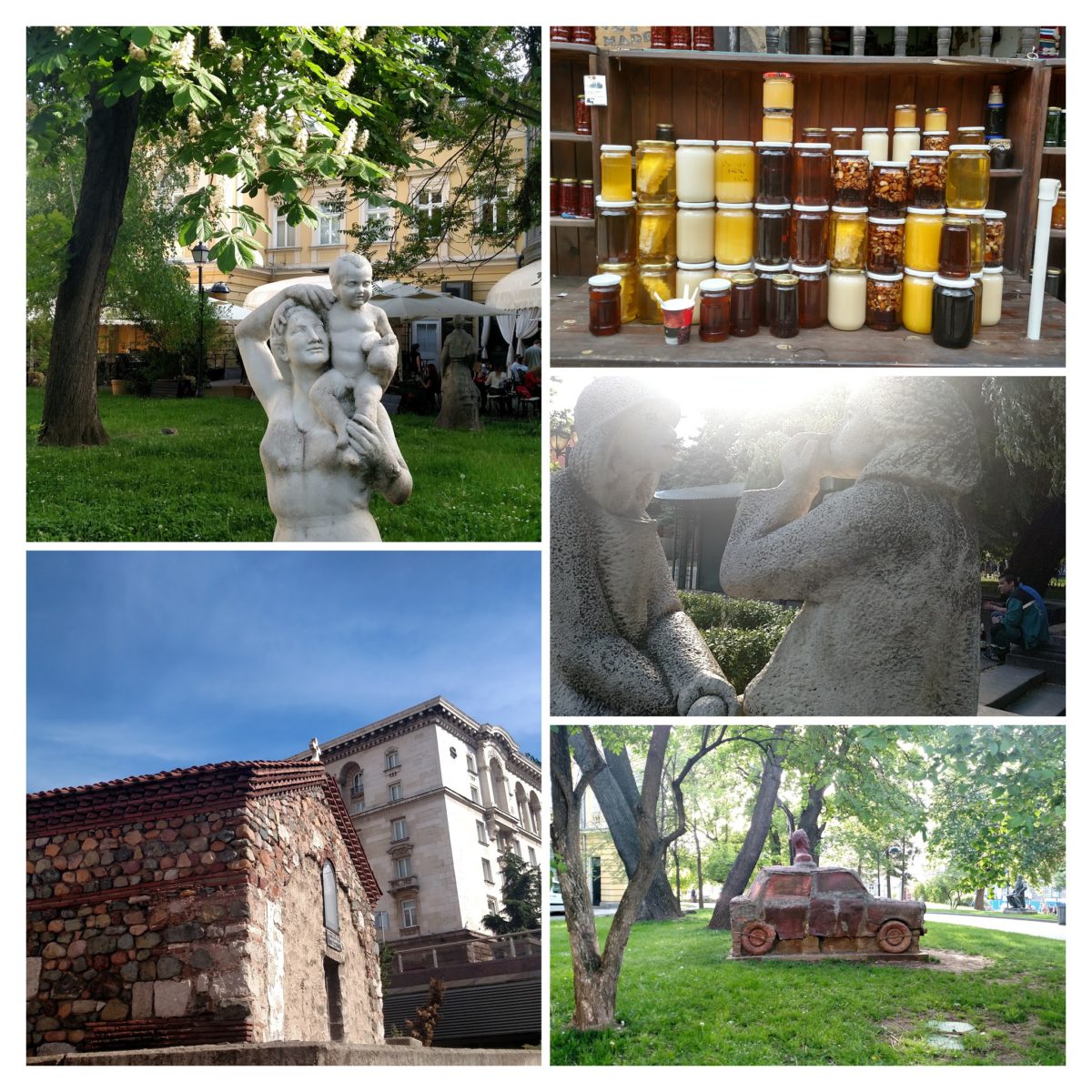
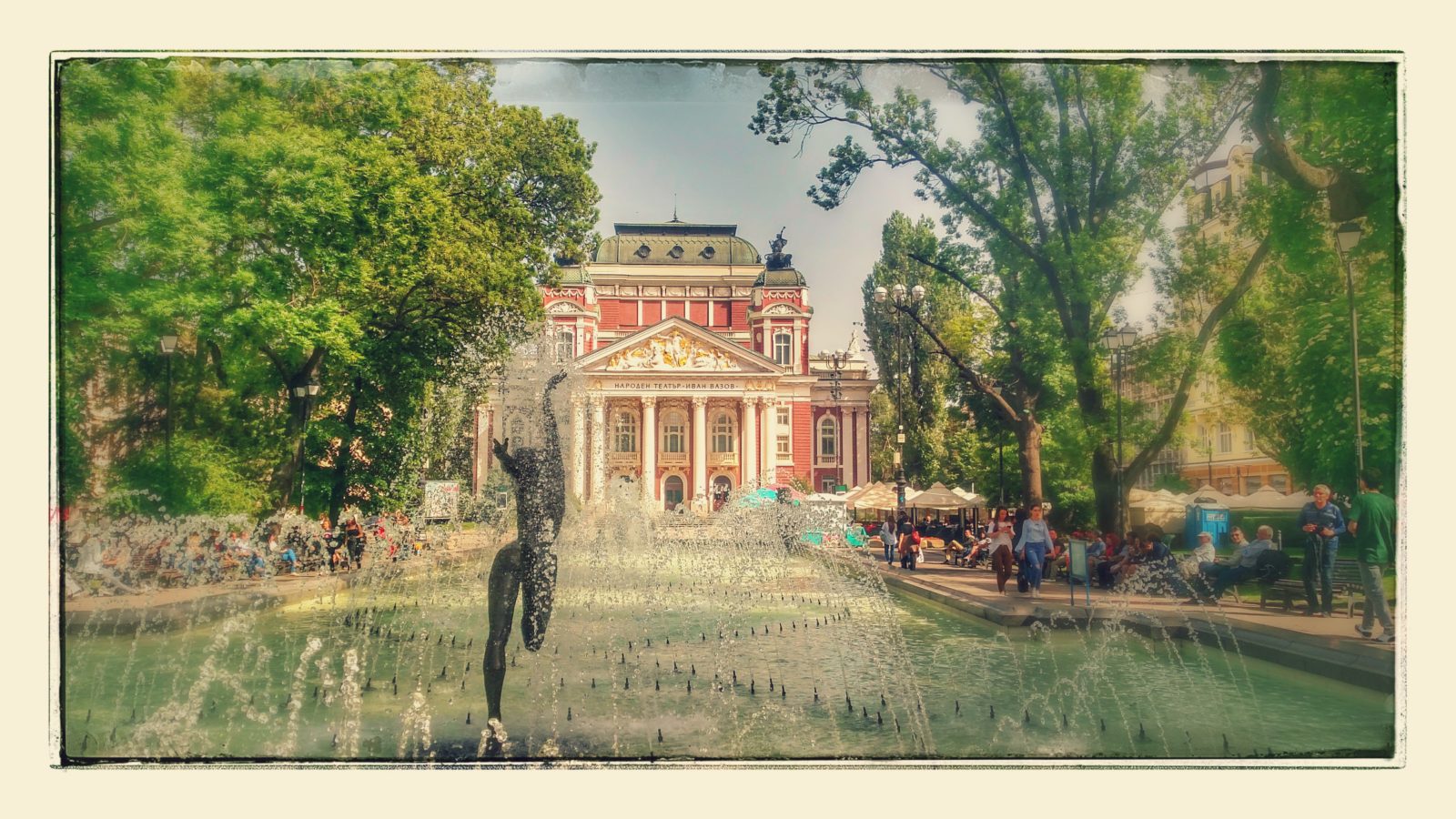
Bulgaria may be “behind”, in a few ways, but that can have its advantages. Sofia has a huge number of public parks that people enjoy spending the warm spring days, drinking insanely inexpensive beers and listening to street performers play for the cost of your spare change. Their culture is far more arts focused than I had imagined and the theater scene is thriving there. Public transit is modern enough and worked perfectly well for our needs. It wasn’t the prettiest system we’ve been on (that honor goes to Budapest thus far) but it was sufficient to get us from airport to our AirBnB, to the trailhead of a mountain hike, and to the train station as needed. Overall, what’s left behind is simply the less attractive parts of a busy world.
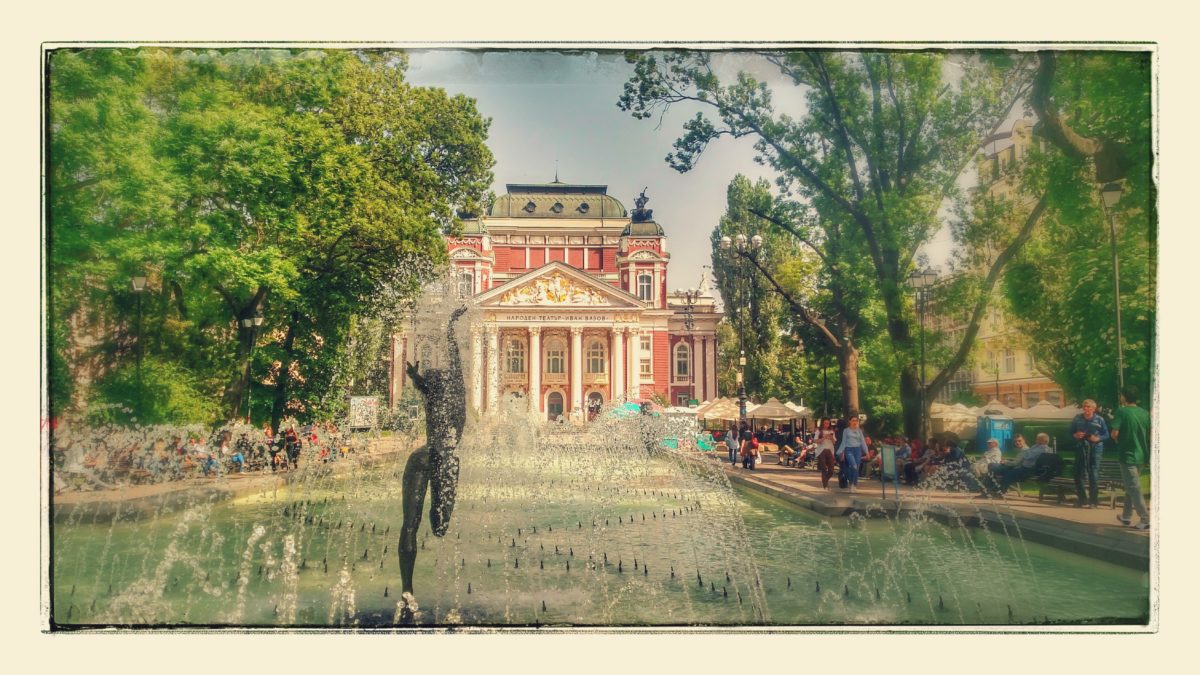
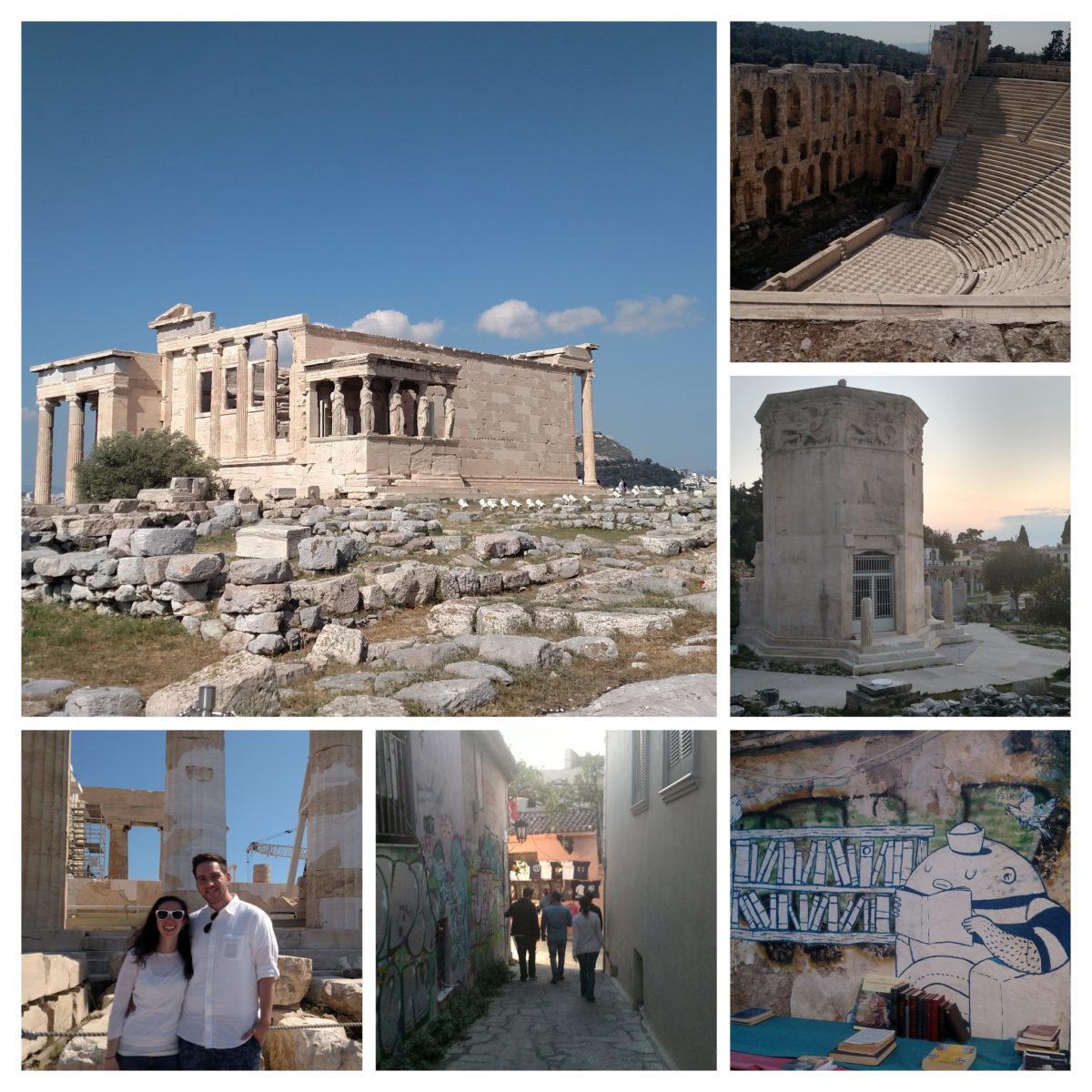
An aspect of travel Jason and I take into consideration more than someone on vacation is the, “Could we live here?” factor. In Asia, we felt we could certainly live in Korea. While the language barrier would be difficult, the standard of living in Seoul is so high it would be easy to adjust. Krabi, Thailand, lulls you into wanting to stay and live on the beach for months. It’s endless summer with a laid back attitude in tropical paradise. Athens was our first European city that we imagined what it would be like to live in and the dream was a comfortable one. It’s an interesting place both historically and in its modern form, and very well priced, it’s just lacking those pesky jobs one needs to survive. Sofia, on the other hand, felt like a place we could really thrive. The weather probably had a far bigger impact than I can give it credit for, with warm sunny days during our stay, but the atmosphere is best described as pleasant. Yes, we’d need to learn Bulgarian, but these little details are easy to get past in the long run, right?
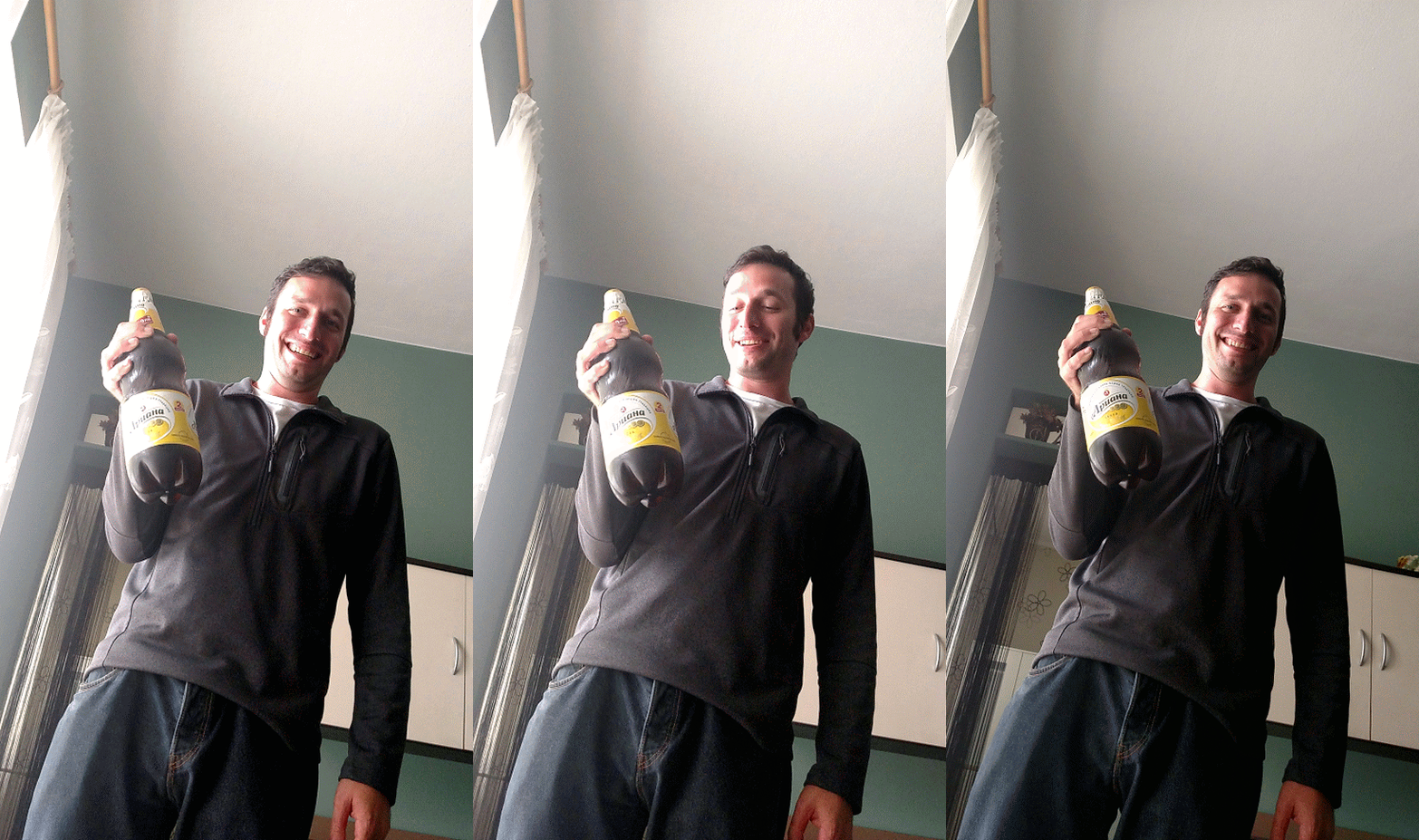
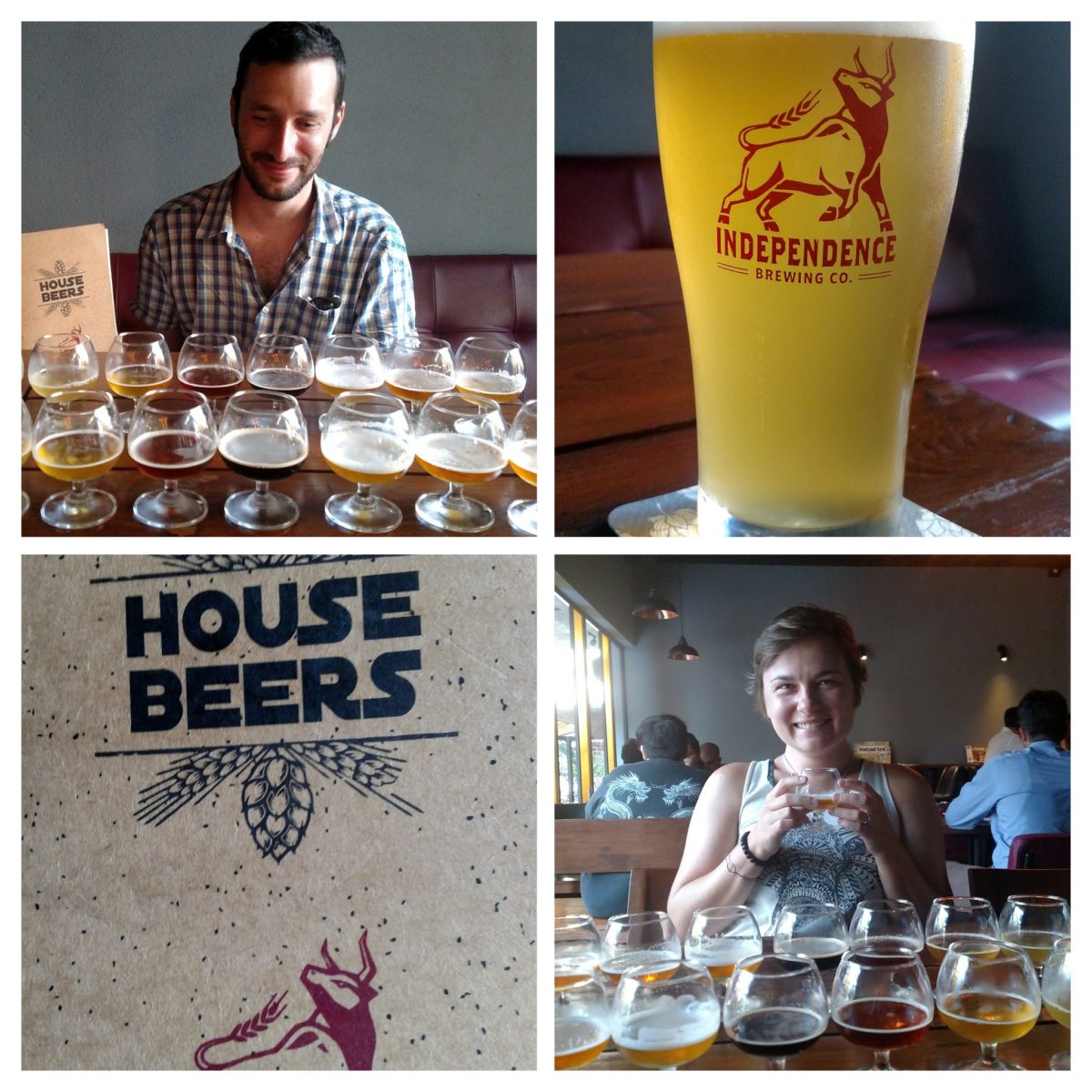
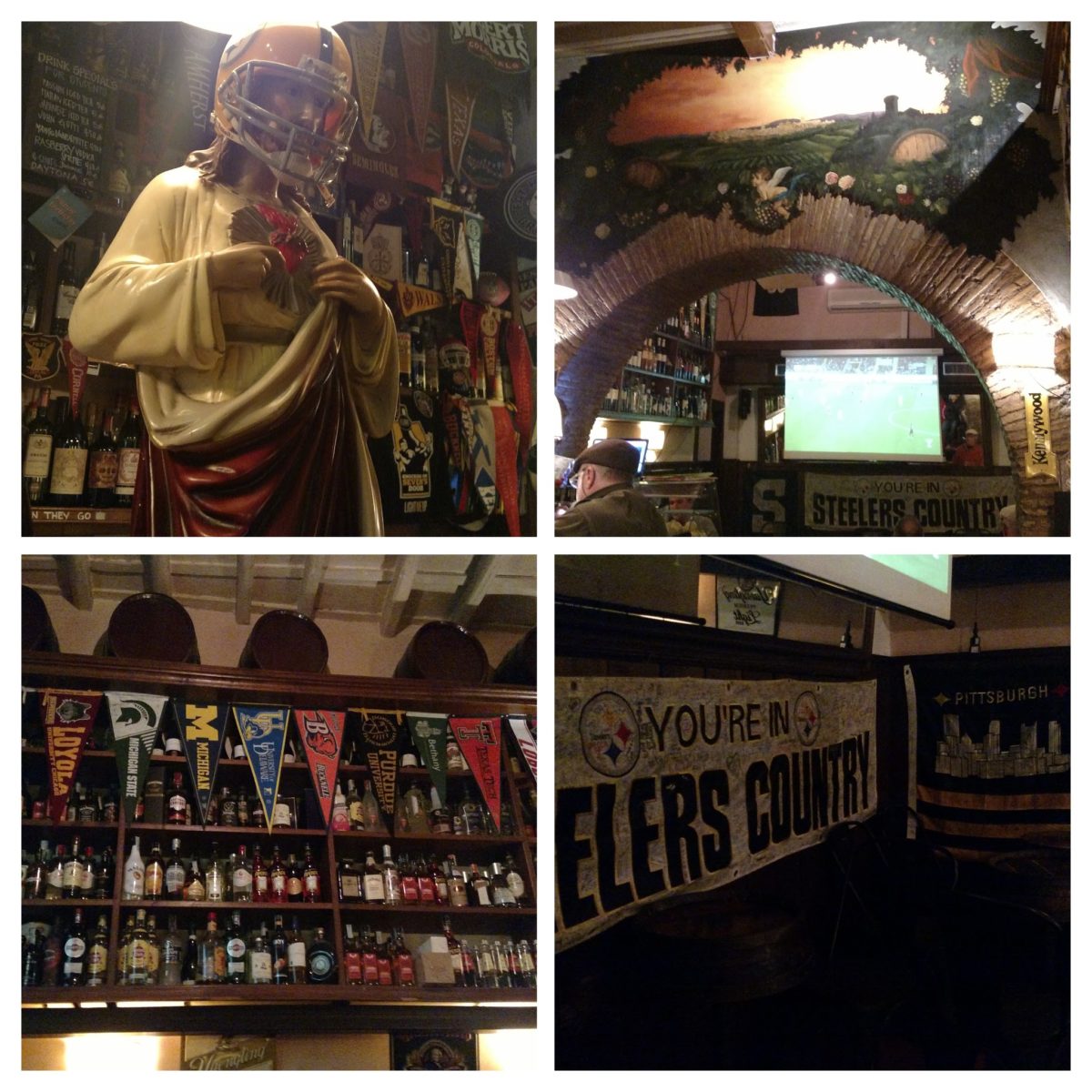
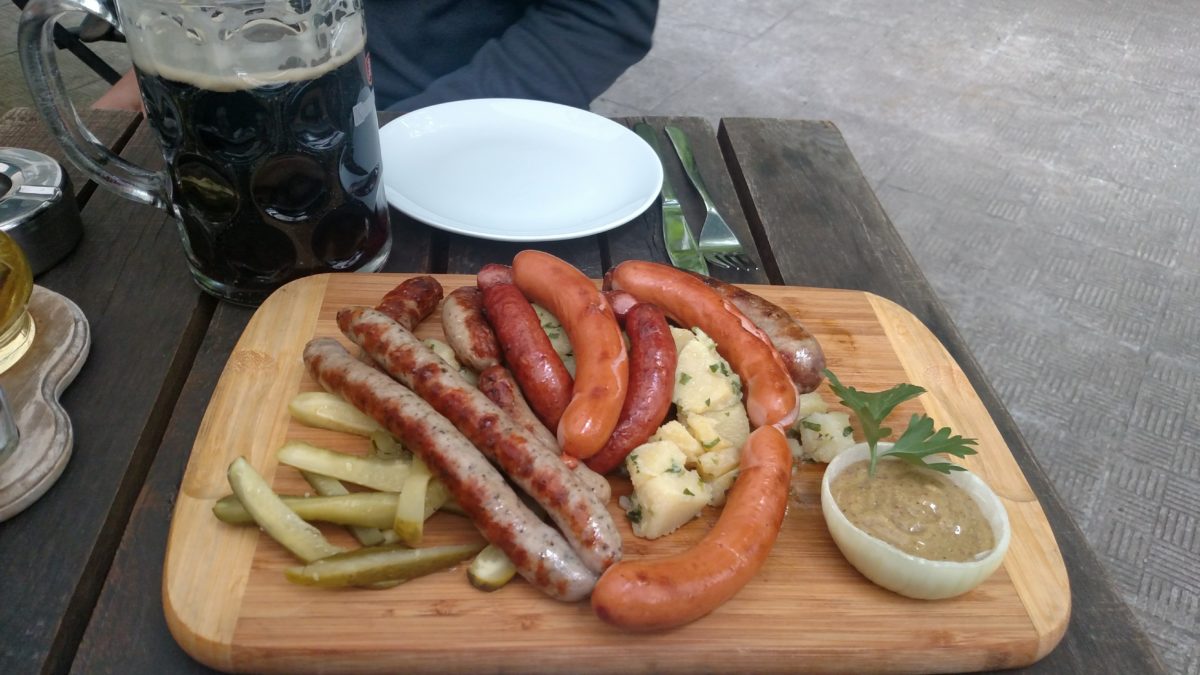
Beer and food are highly affordable in Sofia. This is the place Jason found the 2.5 litre bottles of beer for about $2 a bottle (at least the alcohol % on those is low!). If you want, you can experience the high society and drink an old fashioned in a bar in the park or opt for a divey place with big steins of beer and grilled meats (as I’ve lovingly featured above). Our AirBnB was so comfortable that we wanted to move in based on that alone. Sofia has some tourists, but it’s not so touristy that it feels like it’s catered to for tourists alone. Here, you’ll get a far more authentic experience than you will in Athens or Rome. That said, plenty of English language translations are available, so you can navigate and eat easily. Most young people are fairly fluent so you’re never that from being able to get what you need. While I wouldn’t necessarily recommend Sofia to everyone, it was exactly what we needed when we went.
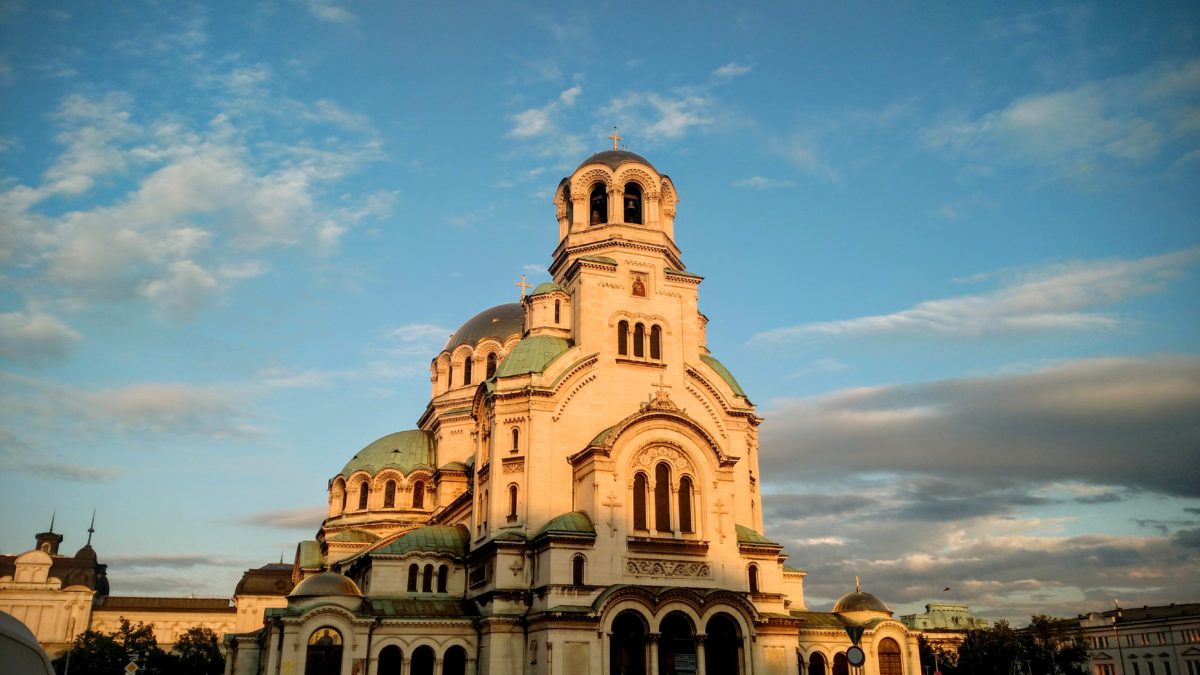
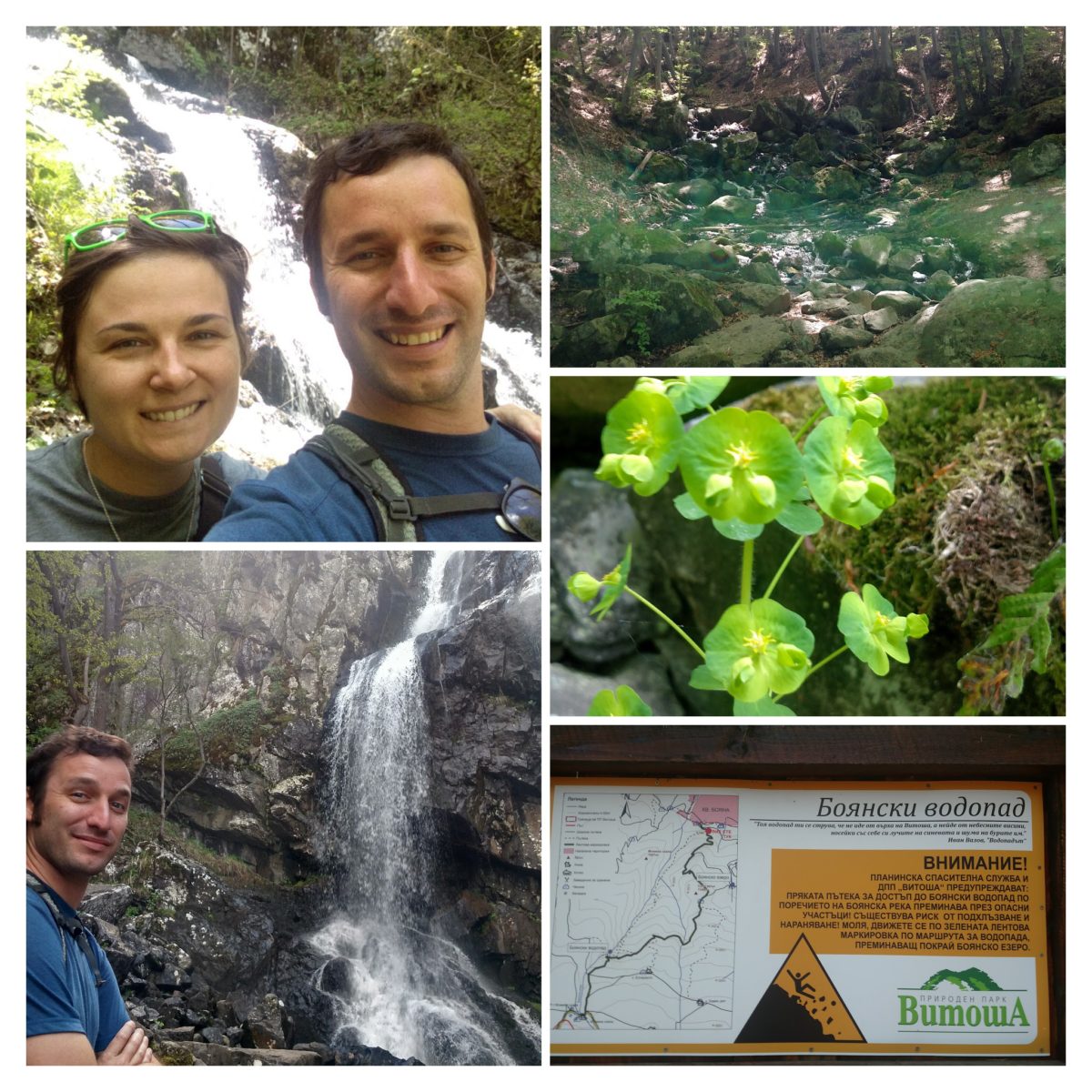
Two days before we headed out of Sofia we took a grueling hike up a mountain in search of a waterfall. We opted to fully go public transit mode, so we took a tram car to the base of a hill, walked up the hill into this little town called Boyana where an ancient 10th century church resides, and then through the woods for two hours going nearly completely uphill. It was intense, but at the end we found the waterfall. We quickly realized at the top that we had taken the quicker, yet steeper and less marked route. On the way back down we opted for more switchbacks and less crawling. It was an intense walking day and our legs ached afterward, but it was worth it completely.
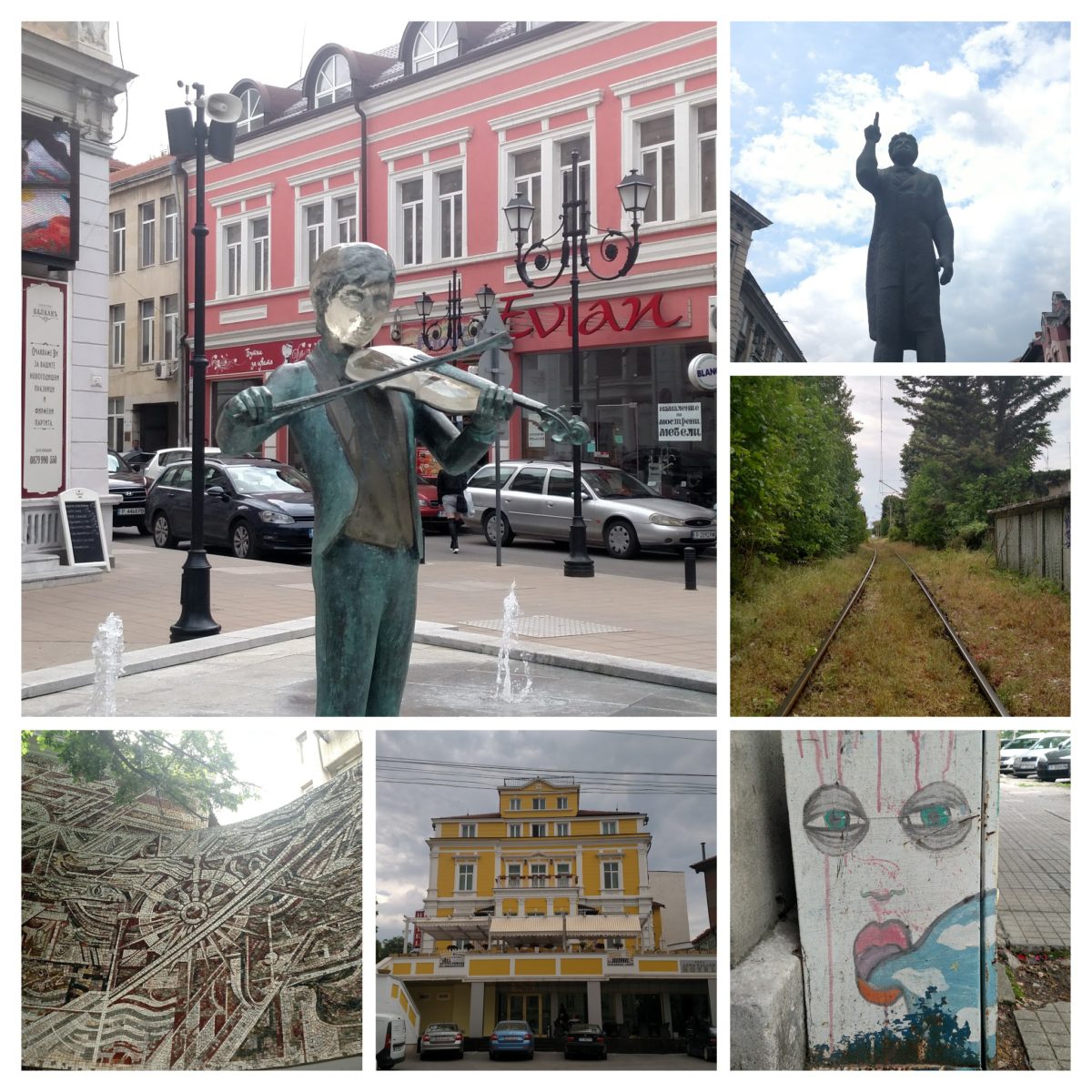
After Sofia we spent two days in Ruse, Bulgaria. We had to transfer trains here anyway, so we figured why not spend a day or two while we’re at it. Ruse had an interesting character to it. Called “Little Vienna”, it has a plethora of 19th- and 20th-century architecture, but much of it is falling down. It was a fairly unpleasant time: our hotel charged us more than we expected, Jason and I weren’t getting along very well, the town was weird, it rained, and we didn’t eat any good food! At least it was only two days.
We opted to spend ten days in Romania, split between two cities, Bucharest and Brașov, although I really was hoping to add in Sibiu also. Not this time! Our train from Ruse to Bucharest, the Romanian capital, only took a few hours; although it seemed to meander through the countryside in such odd ways. It didn’t matter, I can’t help but love a train trip.
Bucharest is cosmopolitan. It’s not something I expected from this capital city, but it embodied a worldliness and cultural sophistication that I admired. Admired, but didn’t love. The city almost seemed snobbishly nice, which wasn’t what we were expecting in Eastern Europe. We wanted a little grit with the glory. That’s not to say there weren’t gritty parts, of course the train station was scary and we took one walk where I insisted we turn right back around after we didn’t find the restaurant we were searching for to be full of diners, but overall it feels more like an ivy league college city than what I pictured as the Romanian capital. Shame on me for forcing an expectation.
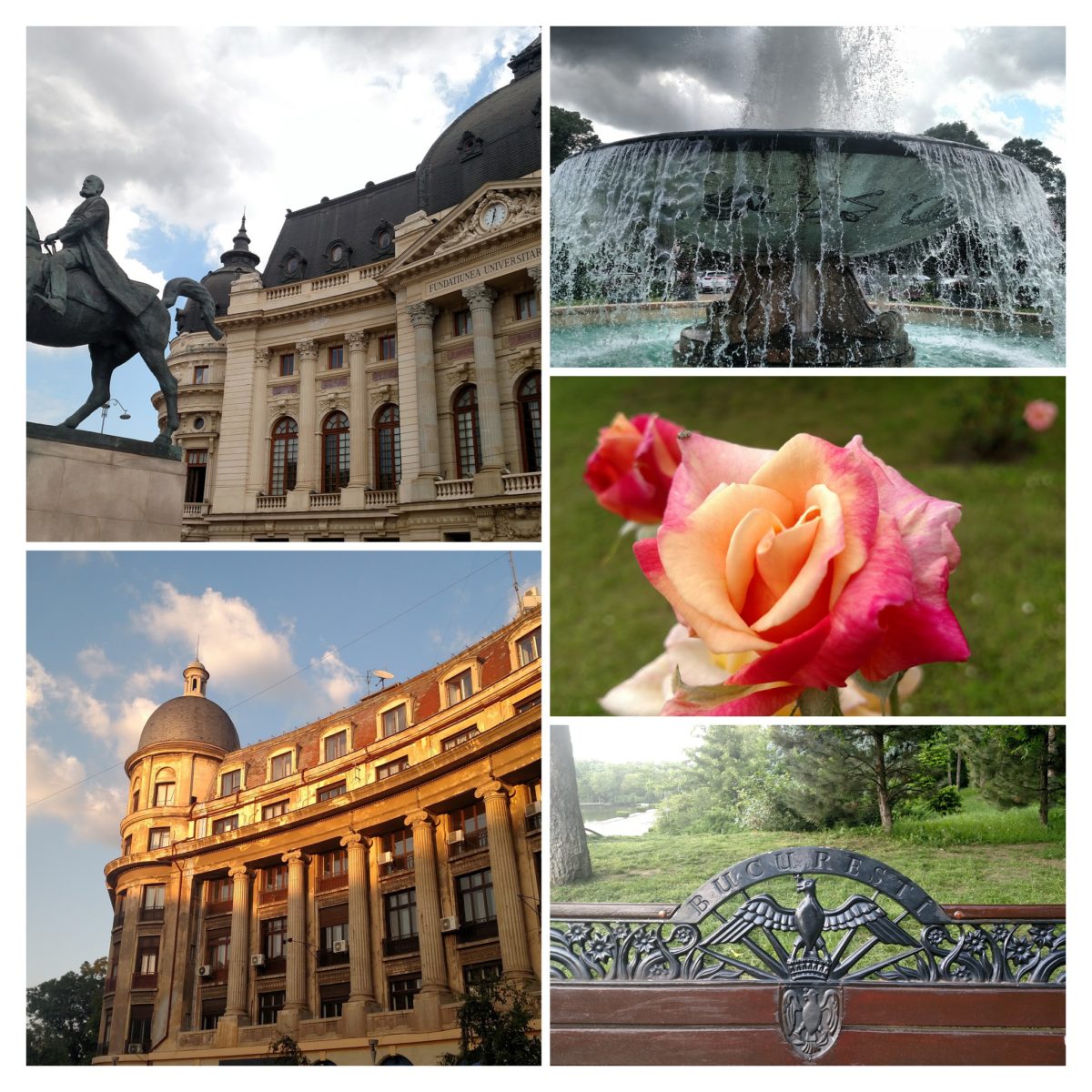
Romania has the best internet in all of Europe (fun fact, S. Korea has the best in the world). They also have hot water that’s publically pumped into your home, so you don’t have to install a hot water heater (you still pay for water). These two big advantages are due to a communist history that created underlying infrastructure that survived through its ultimate defeat. Communism is all over Eastern Europe. Every country has been touched and harmed by it. Every country has had to come to terms with finding their own way to freedom and fighting for it in the past few decades. Every country in Europe that we’ve visited has found democracy, even though some are corrupt democracies. Better than a communist dictatorship.
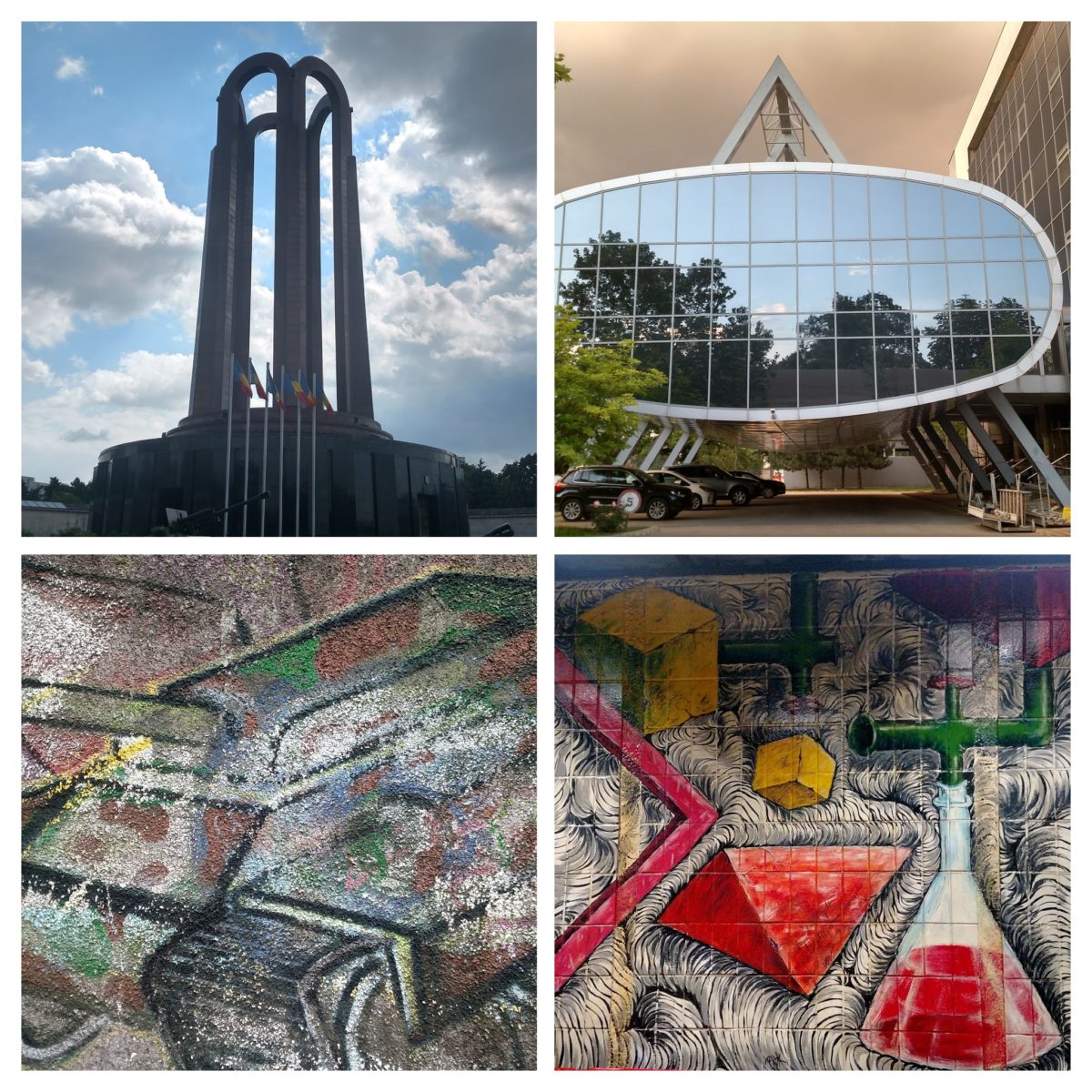
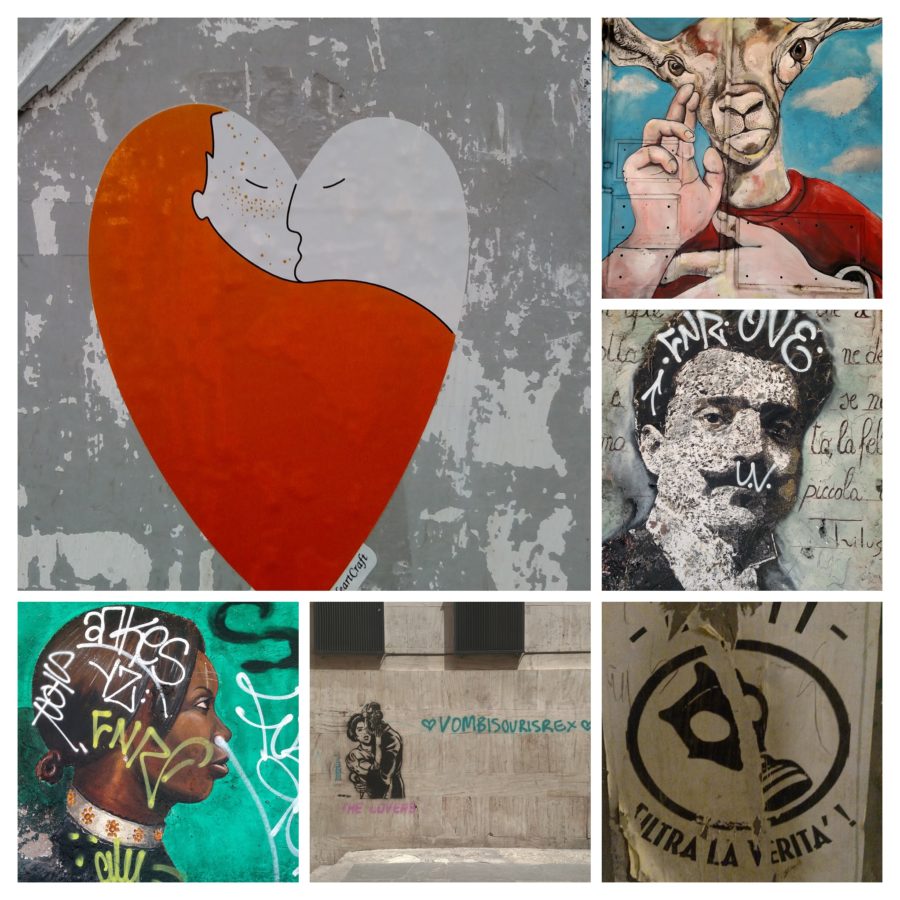
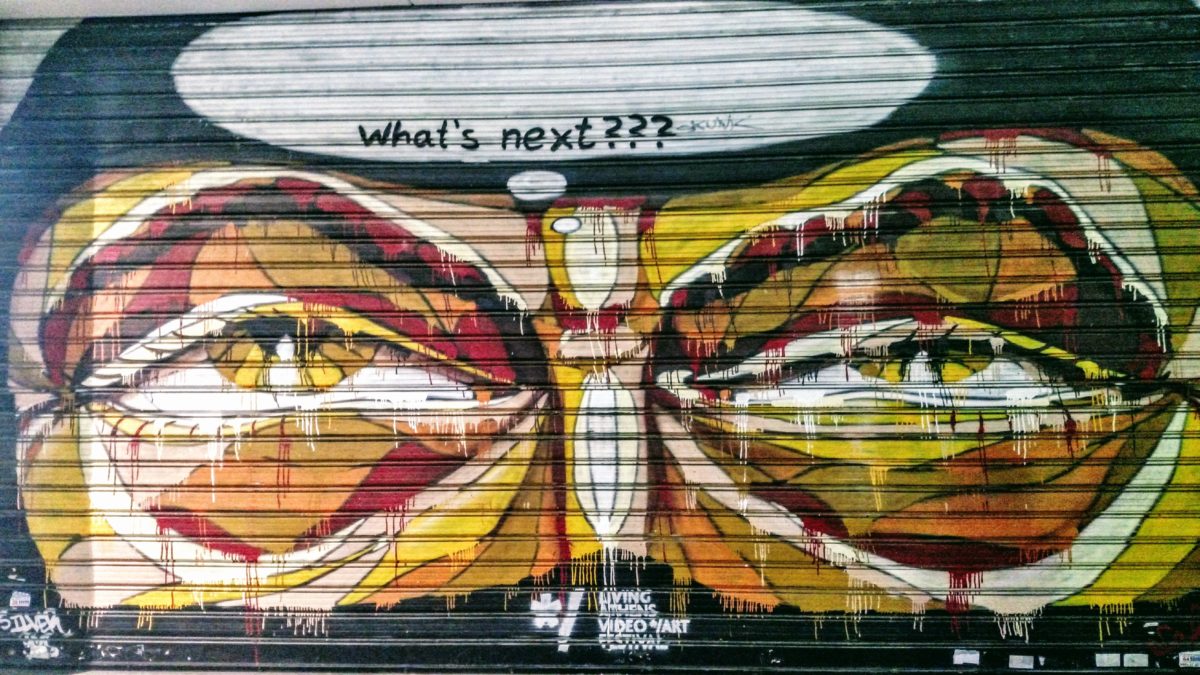
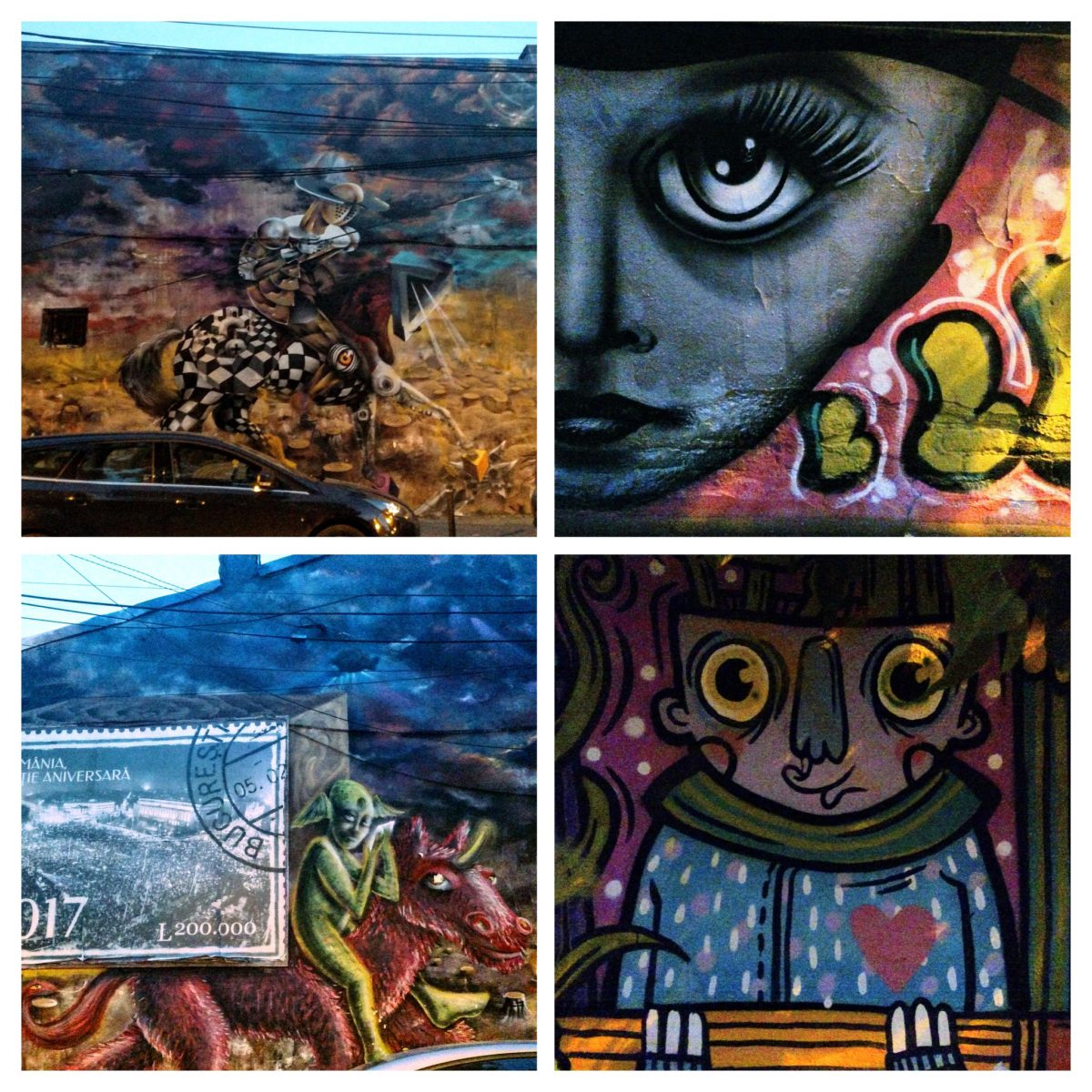
Bucharest offered a few eclectic opportunities for us. After our free walking tour, our guide told us about a crazy industrial bar and a maze of a bookstore. The bookstore maze we sought out right away in the hopes that we could find a restaurant nearby. While that didn’t happen we were able to go from room to room in this mansion that was completely covered in books! Who doesn’t love getting lost in a bookstore sea? Across from the bookstore was a great street art alleyway where I snapped pictures in the fading light.
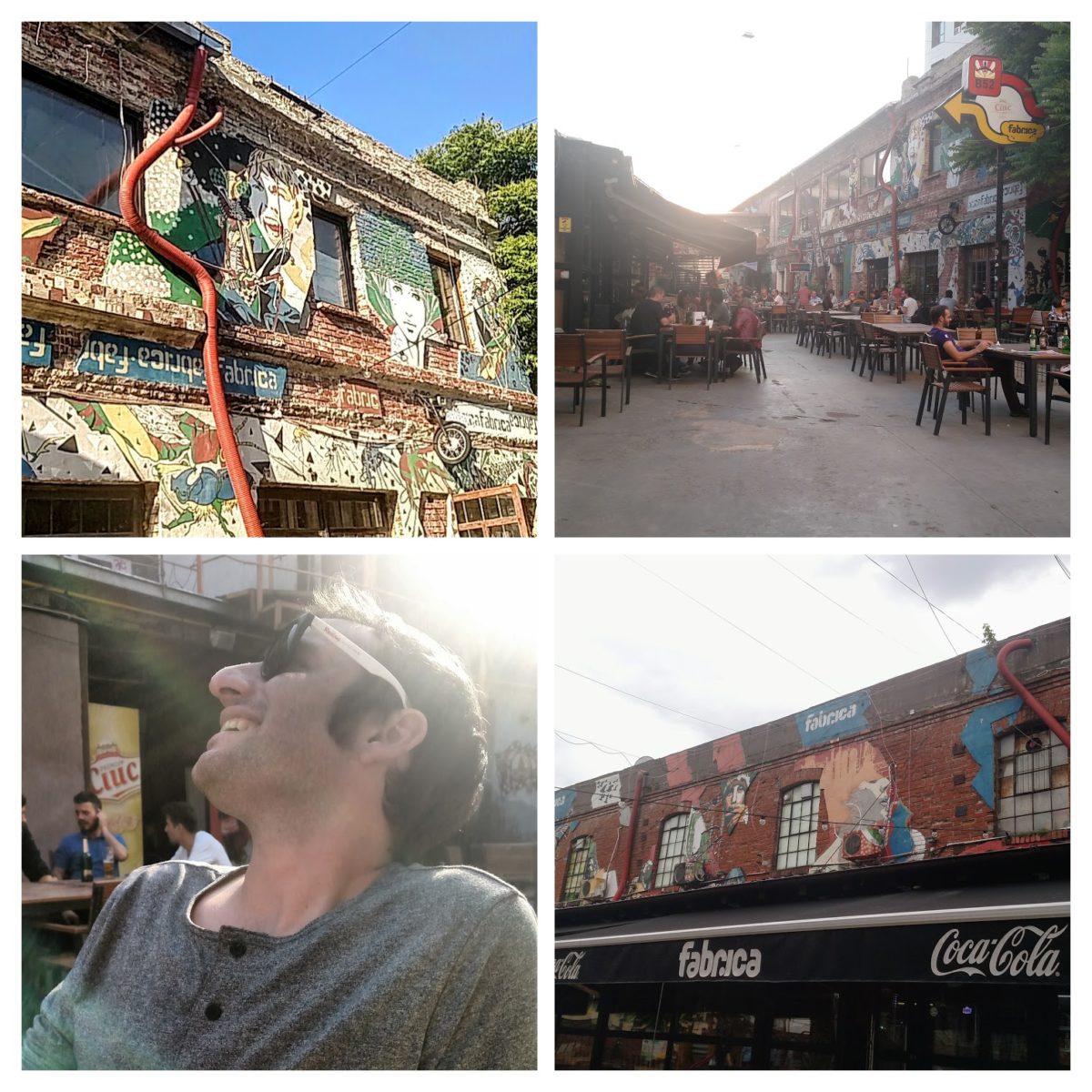
The other strangely Romanian thing we found here was have a drink at an old factory turned bar/nightclub. We didn’t stay for the nightclub portion of the bar, but we did enjoy the outdoor seating and the pleasant walk through the park that lead us to this funky spot.
After Bucharest, we spent five days in the Transylvanian city of Brașov (it’s pronounced brash-hov, not brass-hov). When I say Transylvania, you think Dracula, vampires, blood sucking monsters, and spooky castles! That’s understandable, Bram Stoker based his book Dracula in this area, conveniently named Bran’s Castle. But, there are no vampires in Romanian folklore. In fact, Bram Stoker never even visited Romania. There are ghost stories here, as most cultures have, but what Romanian’s really contributed to Halloween are Werewolfs! Being there, I can absolutely understand how you could fear a shape-shifting wolf man beast coming down from the mountains to eat your children at night. To be clear, Romanians didn’t invent werewolves, there is evidence of a belief in these types of creatures before the common era in the Indo-European period, they just took part in shaping the myth.
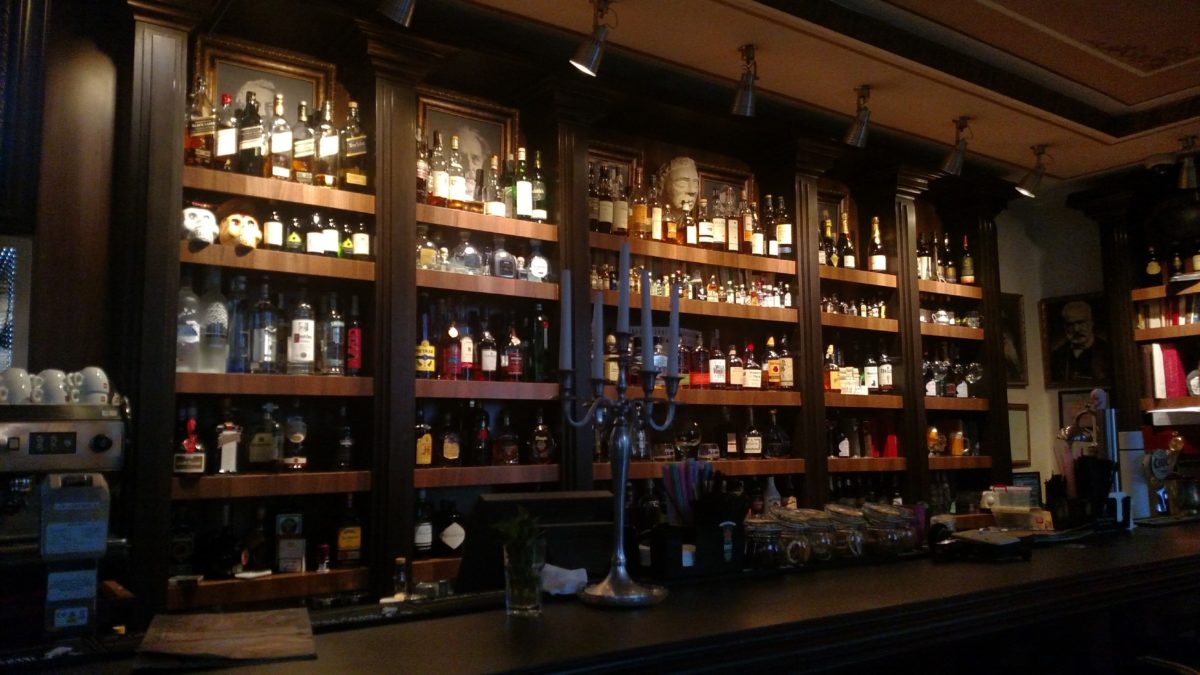
Brașov was founded in 1234, but people have lived here since 9,500 BCE. The Transylvanian region of Romania, translated to “The Land Beyond the Forest”, is one of three total regions that now form the country. The Moldovan region to the West is now split between Romania and the country of Moldova. The lower portion of Romania is Wallachia, where Bucharest is. The lower portion is flat, but Transylvania is set in the Southern Carpathians mountains so it’s ideal for outdoor activities. We originally planned on two distinct hikes while visiting Brașov, but we were only able to get in one due to rain.
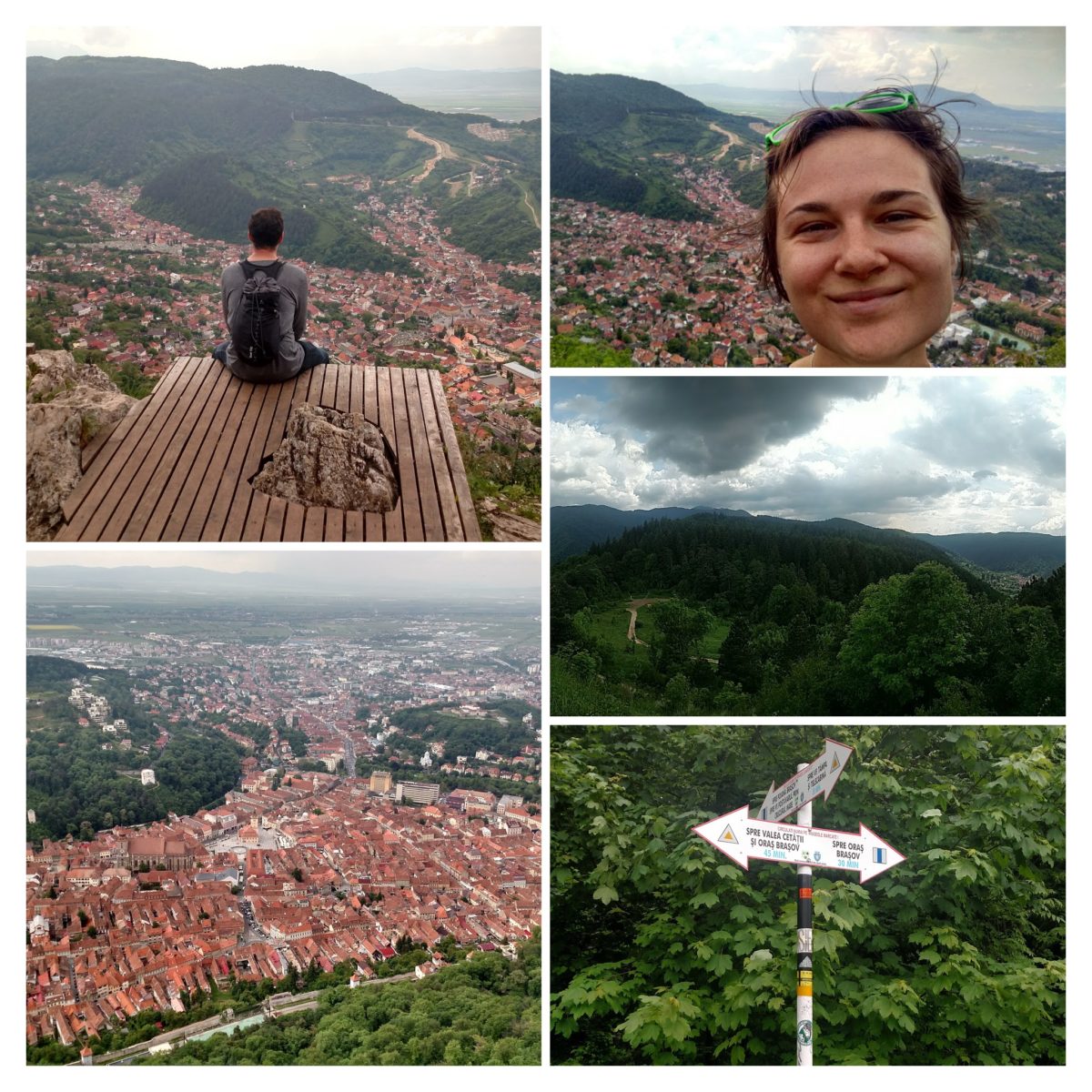
What I’ve found on this trip is the bigger European cities don’t appeal to me as much as the smaller, quainter ones. Brașov fits that with a population of about 250,000. Still, the town square is thriving with activity and historic buildings. There’s a heavy German influence here, with a history I won’t bore you through, but you can see it in all the architecture and much of the foods. We didn’t seem to mind much!
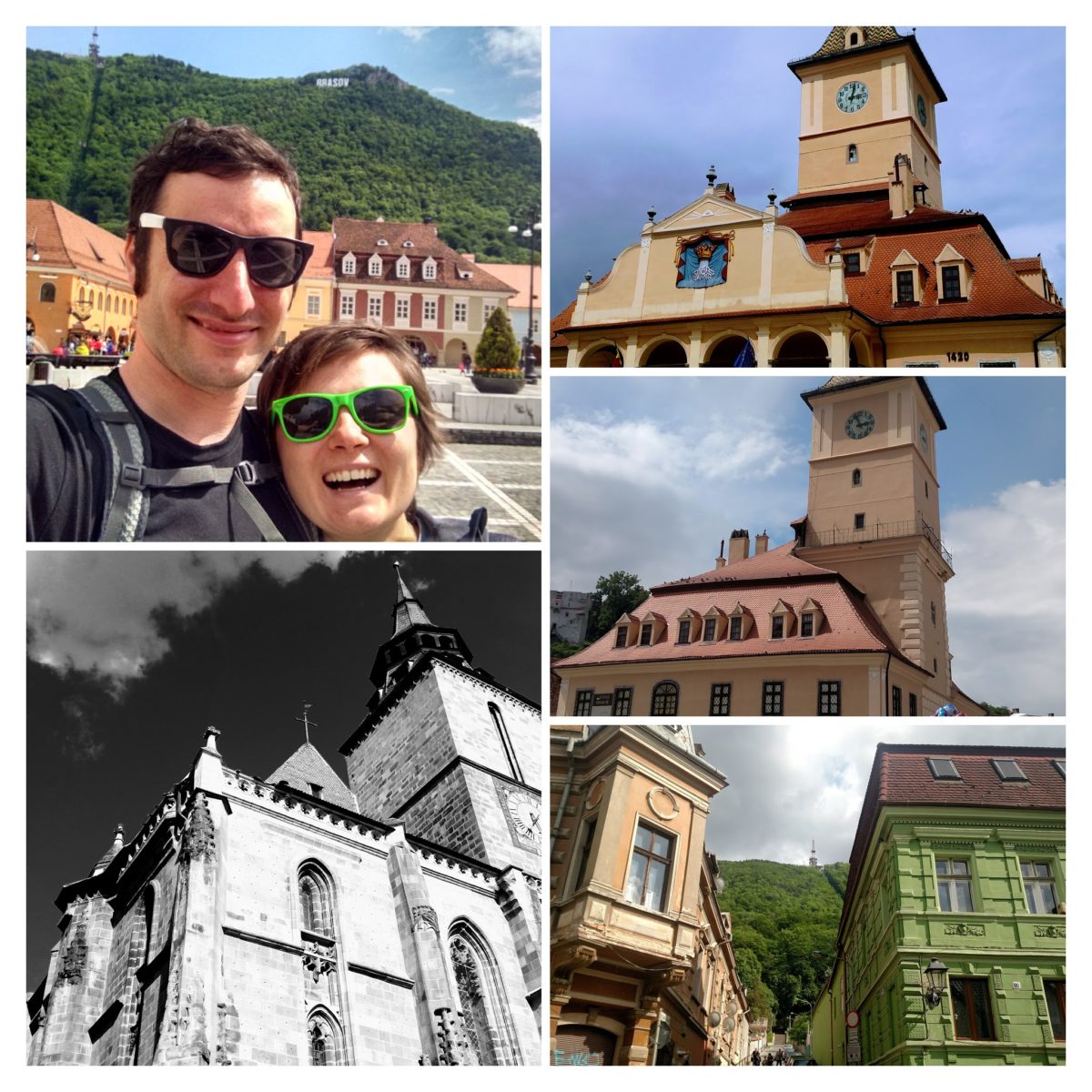
We skipped town just five days after getting into Brașov to head for Budapest! This was a city I really looked forward to because I’d heard how bohemian it was (Bohemia is the old name for the Czech kingdom… so while it is a bit bohemian, it isn’t classically so). Budapest is the capital of Hungary and one of the largest cities in the EU. Prior to WWI, the Austro-Hungarian Empire dominated much of the region, taking territories from the neighboring countries Romania, Poland, Croatia, Bosnia, Slovakia, Slovenia (two different countries!), the Czech Republic, and the Ukraine. It was a world superpower and because of that Budapest is still a large and domineering city, even though the empire fell as the result of WWI (because, after all, they started the war. See: Franz Ferdinand, not the band.).
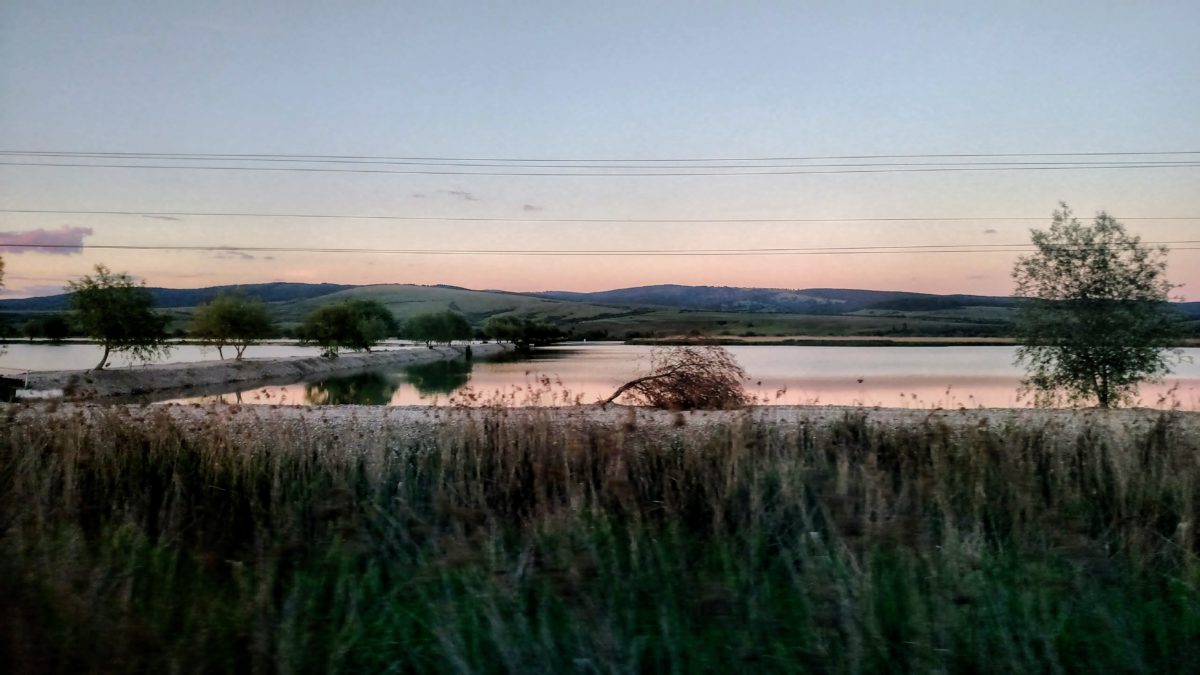
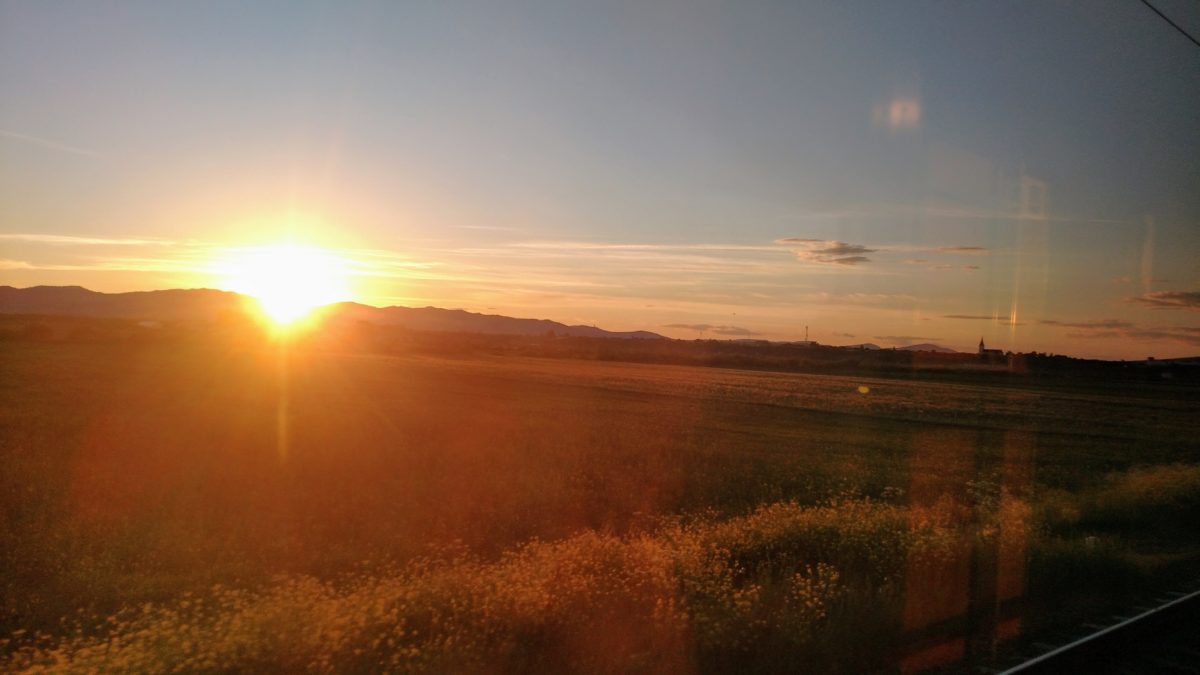
We took another night train from Brașov to Budapest and were really elated to have the cabin again to ourselves! We keep booking these six person sleeper cars and we keep getting to sleep in them all alone. It’s the third time this has happened. So grateful for that!!
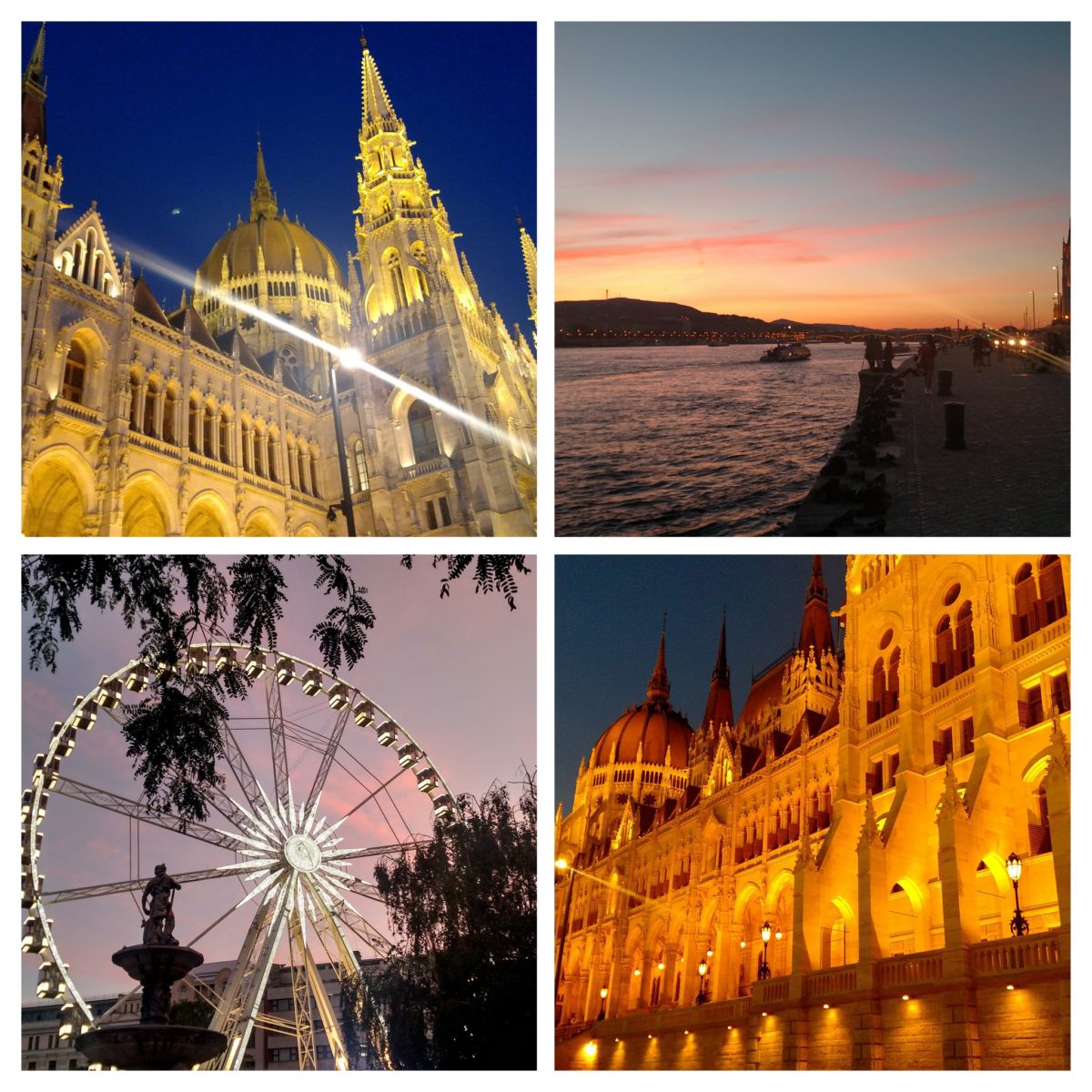
Budapest is best seen after the sun goes down, which is late around here now in that it’s summertime! They just really know how to light up the city. The buildings in Budapest are much bigger than I expected, it has more modern structures than many places we’ve been, especially in the downtown area. 3.3 million people live in Budapest, which is just under the number of people living in LA and over double the size of Philly. Until 1873, there was actually Buda and Pest, two distinct cities on each side of the Danube. When you’re there they still use these distinctions for which neighborhood you’re in at the time, but I personally think Budapest is a much more cohesive name than either independently.
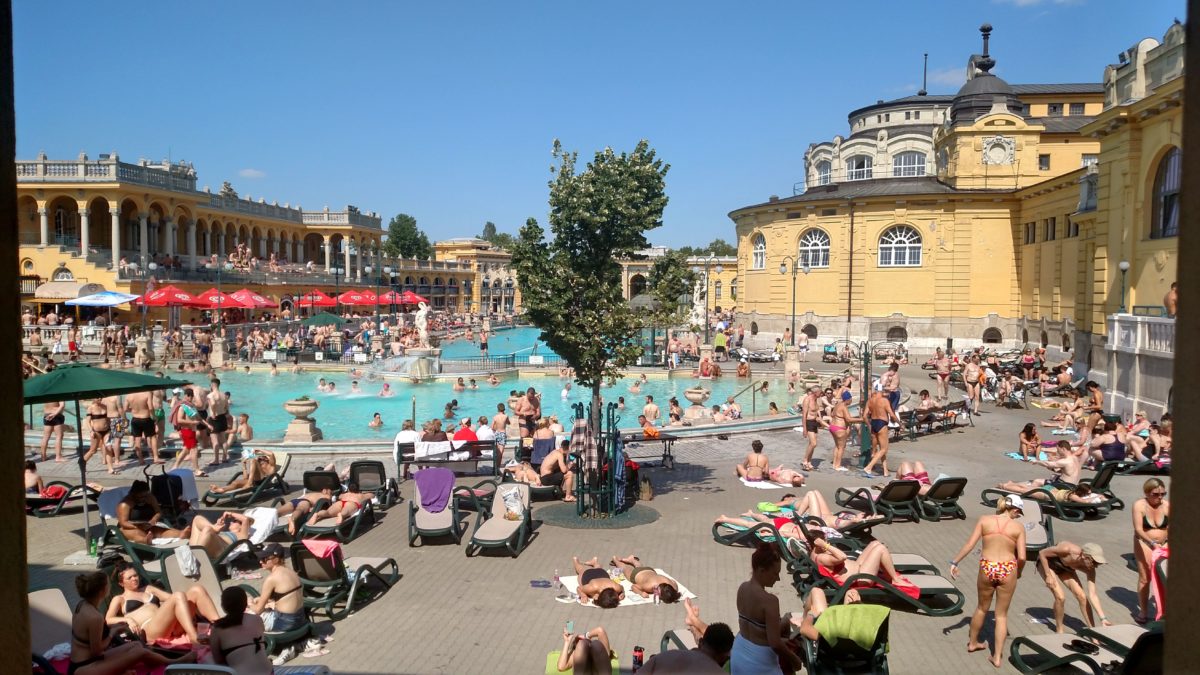
Budapest is known for it’s public baths. The city insists that each neighborhood has it’s own. We went to one of the oldest Turkish baths. It was a bit of a beautiful disaster. We didn’t realize there were time limits on the baths, we thought we could be there all day, we had to rent suits and the price on the website was lower than what we had to pay, the lockers were full when we got there, so we had to wait in line and the attendants told us, “This has literally never happened before.” Once we were in and settled though it was fun. We ran from outdoor pools to saunas to indoor pools of varying temperatures, all in the name of health! It was a warm day, so it was nice to be outside in our suits, rented or otherwise.
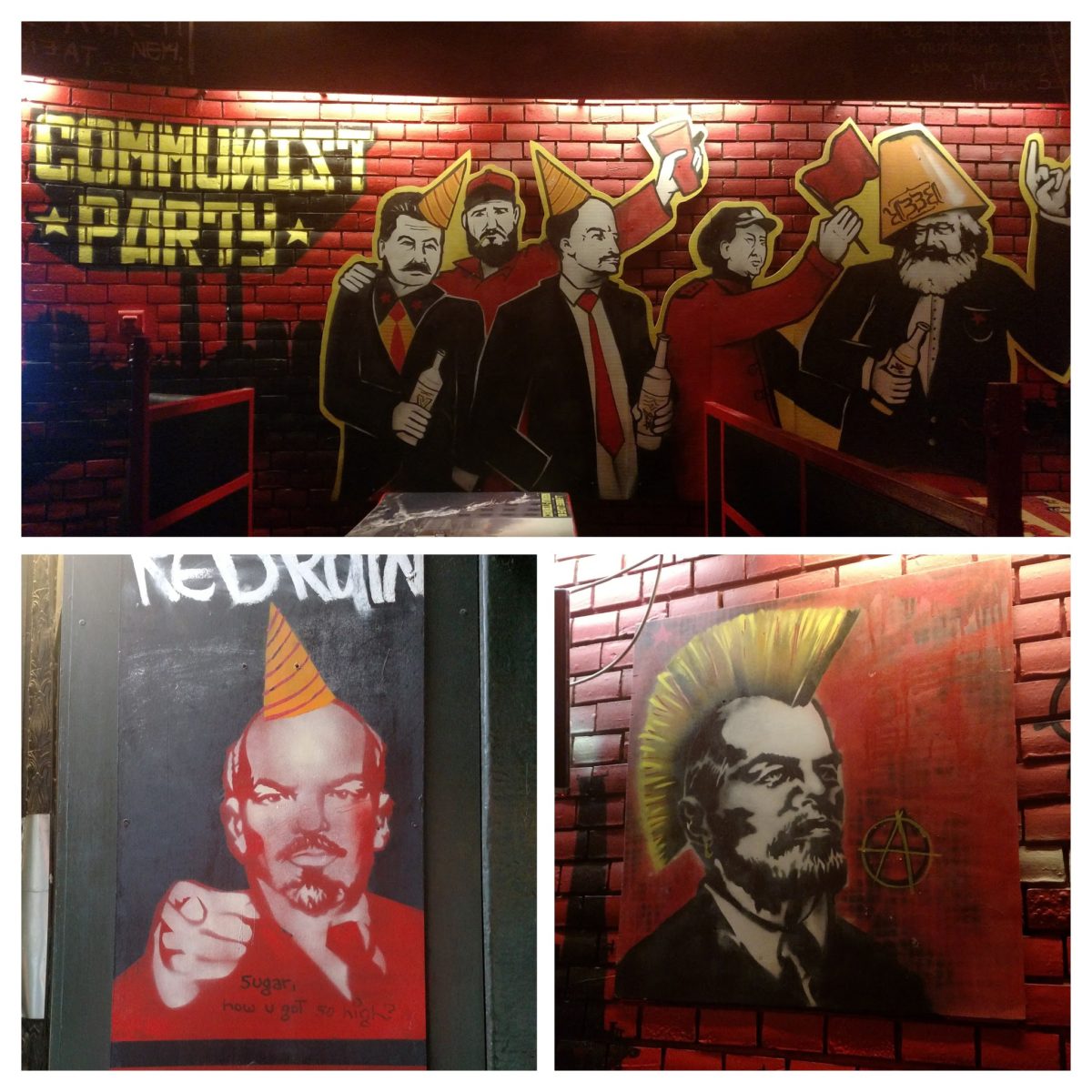
While we enjoyed the city, it was more expensive than we were originally bargaining for. We didn’t want to pay $16 per person to see a castle or a church. We didn’t feel the museums were worth the cost. We just didn’t do as much of the touristy stuff as we could have because it seemed overpriced compared to other places we’ve been. I respect Budapest’s history, but I’ve been to enough places to know I don’t need to see another history museum. We did, however, enjoy going to two communism themed bar/restaurants.
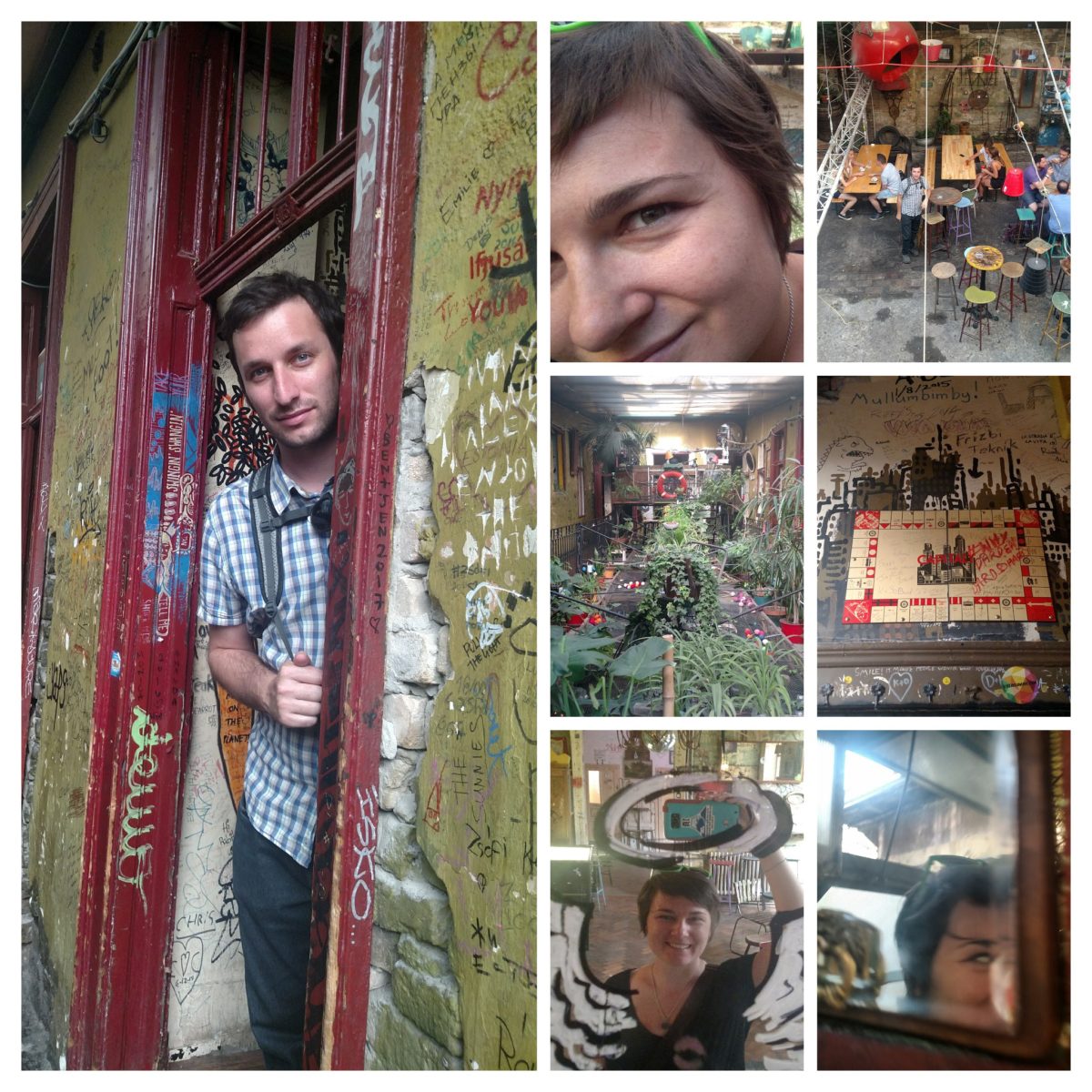
Budapest is known for their “ruin bars”, or old buildings turned into bar complexes. As I’d mentioned, we found something similar in Bucharest, but this is where they began. We went to the original, Szimpla Kert, and had a nice journey meandering through the labyrinth of rooms. We didn’t stay for too many drinks, because they’re a little pricey. We did find plenty of craft beer in the neighborhood, the Old Jewish Quarter.
Last thing to mention, which I have no picture of, is I had a great lunch with a former Relay colleague in Budapest, Carolynn. She’s been teaching art in the city now for two years. She’s spunky, happy, and thoughtful. We had a great conversation for several hours, catching up and talking about where life has taken us. She’s going to start year three in Budapest in the fall and just loves it there. It’s amazing to find people you know who are living and moving throughout the world and connect with them. She was the fifth person we’d known from home that we were able to see on this trip and it really refreshed my spirits.
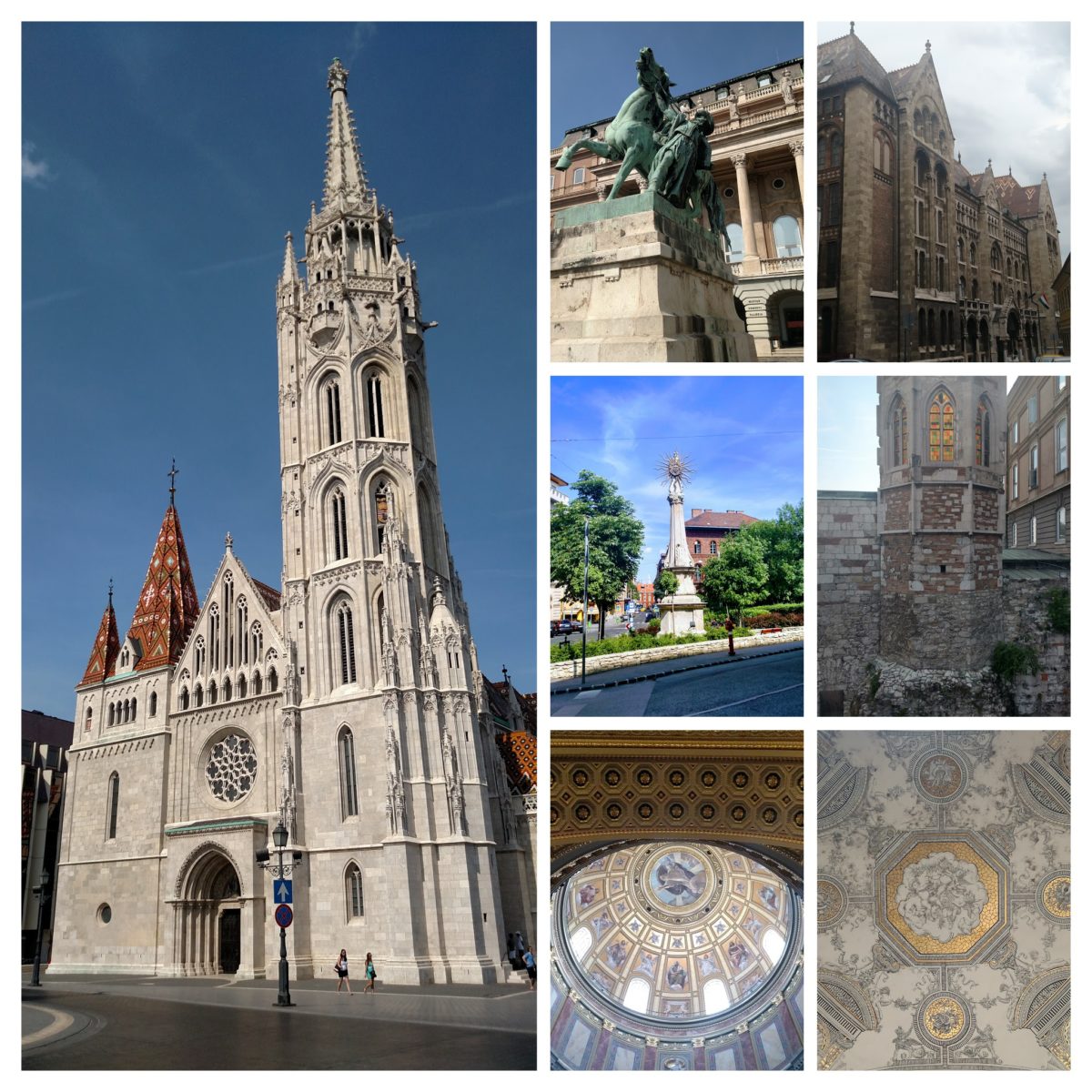
Budapest is a city of great outdoor spaces, rich history, lively people, and enough breathtaking scenery to keep you satisfied for a long time. Very grateful we were able to spend a week in this place.
Next blog I’ll talk about our time in Vienna, Krakow, and Prague. Tomorrow, we’re heading to Berlin, so I’m already overdue in writing about these places, but I promise to spin you a few tales and keep you updated on our journey as best I can.